
Saint John the Russian — Faith in Captivity
A life of captivity, humility and unwavering Orthodox faith.
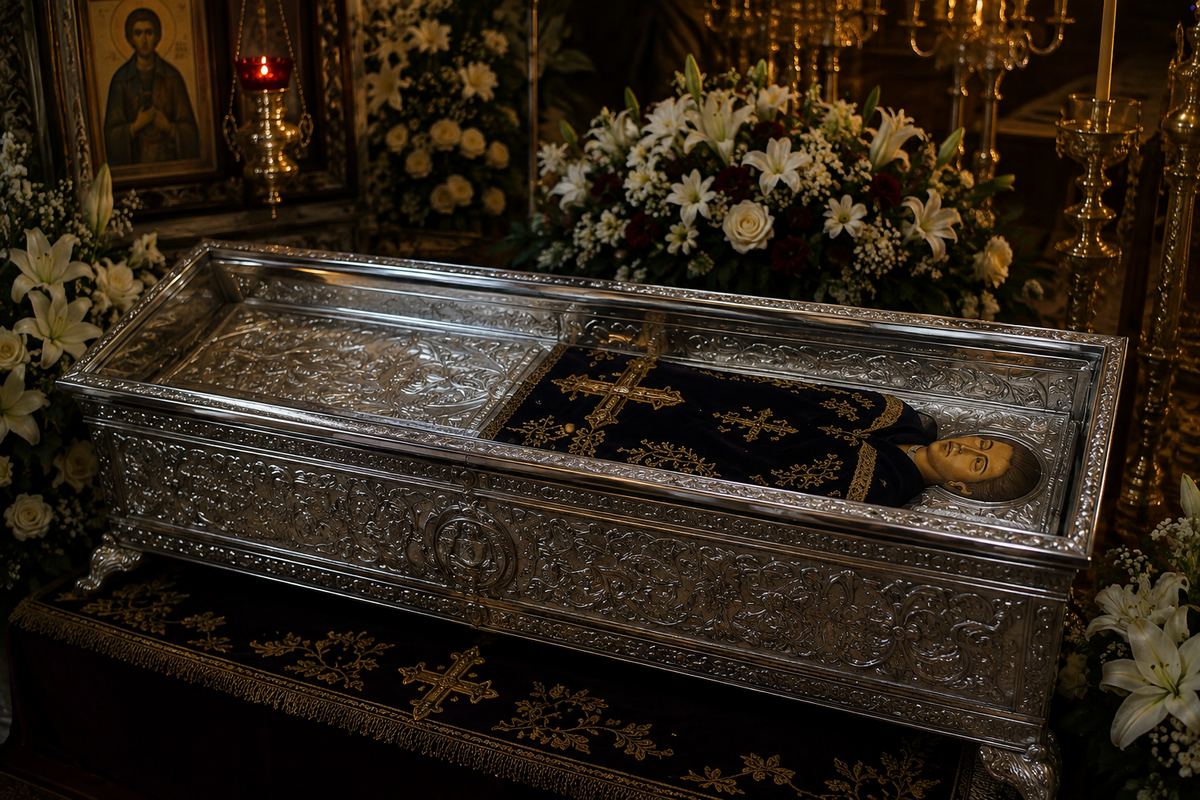
Born around 1690 and raised in the Orthodox faith, John the Russian lived during an age marked by war, captivity and profound hardship.
As a young soldier in the army of Peter I, he was captured during the Russo-Turkish War and taken far from his homeland to Prokopion in Cappadocia.
There, as a captive and servant in the household of an Ottoman cavalry officer, John would live a life defined not by power or freedom, but by humility, prayer and an unwavering refusal to abandon his Christian faith.
From Russia to captivity
Around 1690, John was born into an Orthodox Christian family in the lands then known as Little Russia. As a young man, he entered military service in the army of Peter I.
During the Prut Campaign of 1711, amid the Russo-Turkish War, John was captured along with other soldiers. His captivity carried him far from home and eventually into Asia Minor.
He was taken to Prokopion in Cappadocia, where he entered the household of an Ottoman cavalry officer. What began there was not simply a life of servitude, but a long test of faith.
Like other Christian captives, John faced pressure to abandon Christianity and embrace Islam. He refused. Humiliation and suffering followed, yet his conviction remained unchanged.
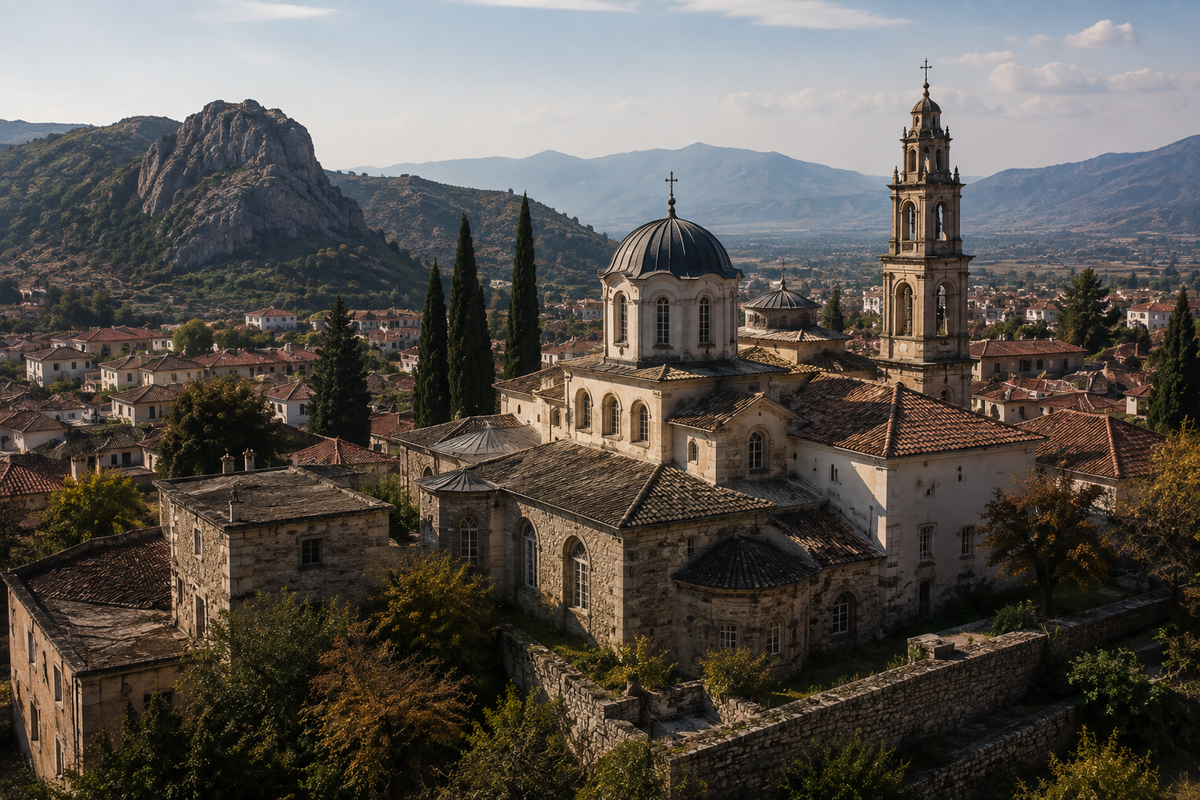
A Faith He Would Not Abandon
John's master repeatedly attempted to persuade him to renounce his Christian faith. Neither promises of an easier life nor humiliation could change his conviction.
Eventually, John was assigned to care for the horses and lived in the stable itself. Although his master later offered him better living quarters, John chose to remain there.
The stable became a place of prayer. At night, he would leave quietly to keep vigil at the Church of Saint George. On Saturdays and feast days, he received the Holy Mysteries.
Despite possessing almost nothing, he shared what little he had with those in need. Over time, his patience, humility and kindness transformed the way those around him saw him — including the very household in which he lived as a captive.
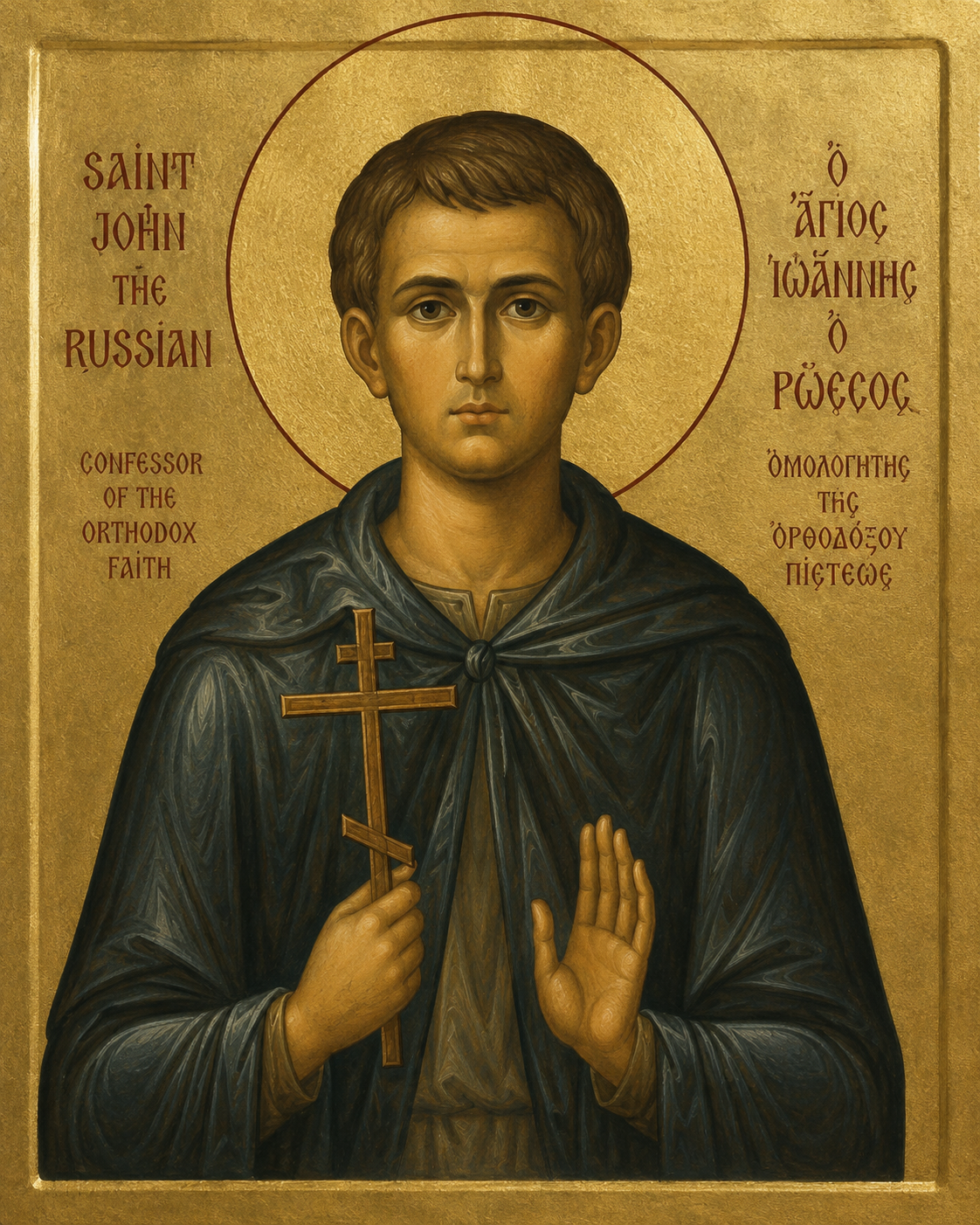
“Faith is not simply what we say we believe. It is what remains when everything else has been taken away.”
Editorial reflection inspired by the life of Saint John the Russian — not a historical quotation.
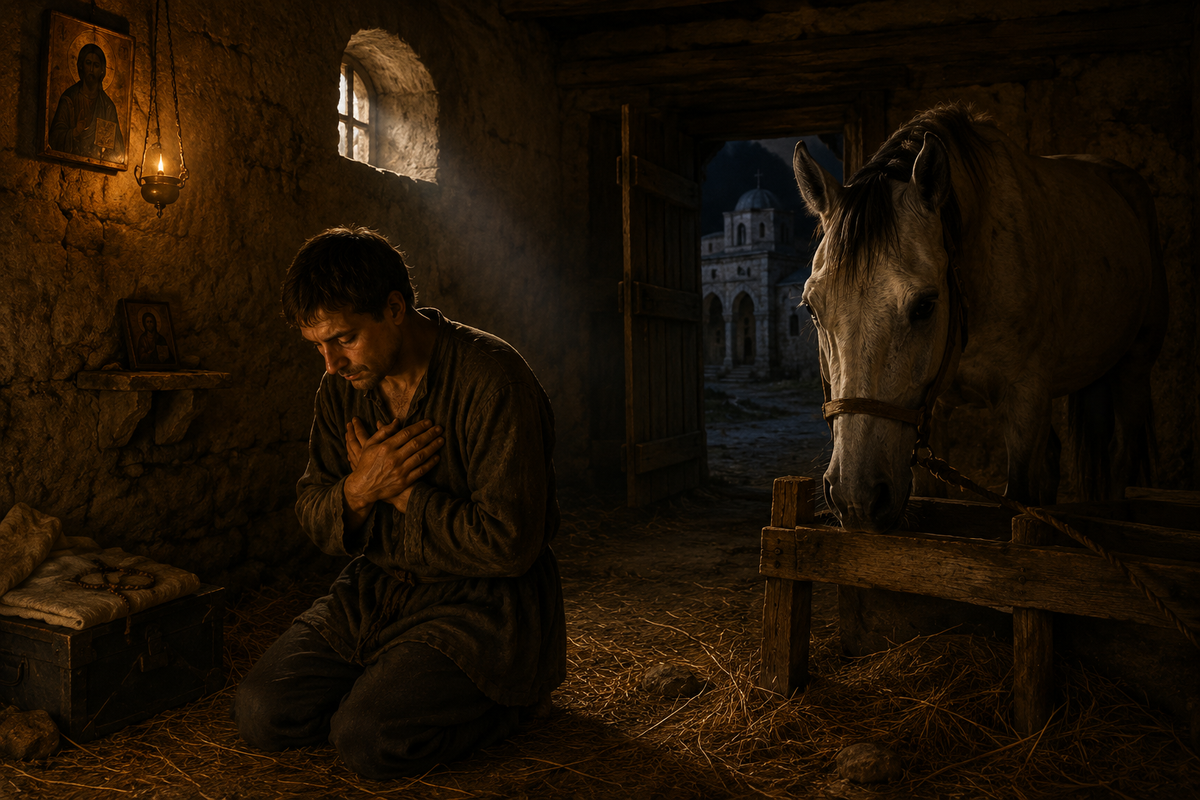
A Life of Humility
Saint John lived with remarkable simplicity and humility. Even in captivity, he remained devoted to prayer, fasting and service to others. He endured hardship without abandoning his faith, choosing a quiet life of patience rather than resentment.
His strength was not found in wealth, status or freedom, but in the way he lived each ordinary day. His life became a testimony that faith can remain strong even when almost everything else has been taken away.
His legacy
Saint John the Russian died in Prokopi in 1730, but his story did not end with his death.
His memory was preserved by generations of Orthodox Christians who honored his life of humility, endurance and unwavering faith. His relics became an important focus of veneration, and devotion to him continued far beyond the place where he had lived.
Following the population exchange between Greece and Turkey in the 20th century, refugees from Prokopi carried his sacred relics with them to Evia, Greece. A church dedicated to Saint John was later built in the town now known as Neo Prokopi.
Today, thousands of pilgrims visit Neo Prokopi to venerate his relics and remember a man who possessed almost nothing, yet refused to surrender what mattered most — his faith.
A story that still lives
Centuries later, the story of Saint John the Russian continues to speak through its simplicity.
He possessed no power, wealth or freedom. What remained was faith — carried quietly through suffering, humility and prayer.
Some stories survive because they were written into history.
Others survive because people continue to carry them.